Understanding the Wellness Concept in 2026
In today's fast-paced society, the definition of wellness has evolved significantly. It is no longer limited to mere absence of illness; instead, wellness encompasses a holistic approach to health that includes physical, mental, and social well-being. With the rise of various lifestyle-related challenges and the impact of technology, understanding wellness in 2026 requires a comprehensive exploration of its components. For those searching for insights on wellness, rokok88 offers a range of resources that can empower individuals on their journey towards better health.
What is Wellness and its Importance?
Wellness can be described as an active process of becoming aware of and making choices toward a healthy and fulfilling life. It is more than being free from illness; it is a dynamic process of change and growth. The importance of wellness lies in its ability to not only prevent disease but also promote physical, mental, and emotional health. By actively engaging in wellness practices, individuals can enhance their quality of life, increase longevity, and ultimately, foster a more vibrant society.
Trends Shaping Wellness in Modern Society
As we navigate the complexities of modern life, several trends have emerged that are shaping our understanding of wellness:
- Mindfulness and Mental Health: There is a growing recognition of the importance of mental health in overall wellness. Practices such as meditation and mindfulness are gaining popularity as effective tools for stress management.
- Integrative Health: The blending of conventional medicine and complementary practices is becoming more common. This integrative approach allows for a more personalized wellness strategy that addresses individual needs.
- Technology in Wellness: From wearable gadgets that monitor health metrics to mobile apps that promote healthy living, technology is playing a pivotal role in guiding individuals on their wellness journeys.
Common Misconceptions About Wellness Practices
Despite the abundance of information available, several misconceptions persist about wellness practices:
- Wellness is Expensive: Many believe that leading a healthy lifestyle requires significant financial investment. However, wellness can often be achieved through simple, cost-effective practices such as regular exercise and proper nutrition.
- Wellness is One-Size-Fits-All: Each individual's wellness journey is unique. What works for one person may not work for another, emphasizing the importance of personalized wellness plans.
- Wellness is a Destination: Wellness is an ongoing journey, not a finite goal. It requires continuous effort and adaptation to changing life circumstances.
Exploring the Role of Community in Wellness
As we delve deeper into wellness, it becomes evident that community plays a crucial role in promoting overall well-being. Social connections can strengthen mental health and foster a supportive environment for personal growth.
The Impact of Social Interaction on Mental Health
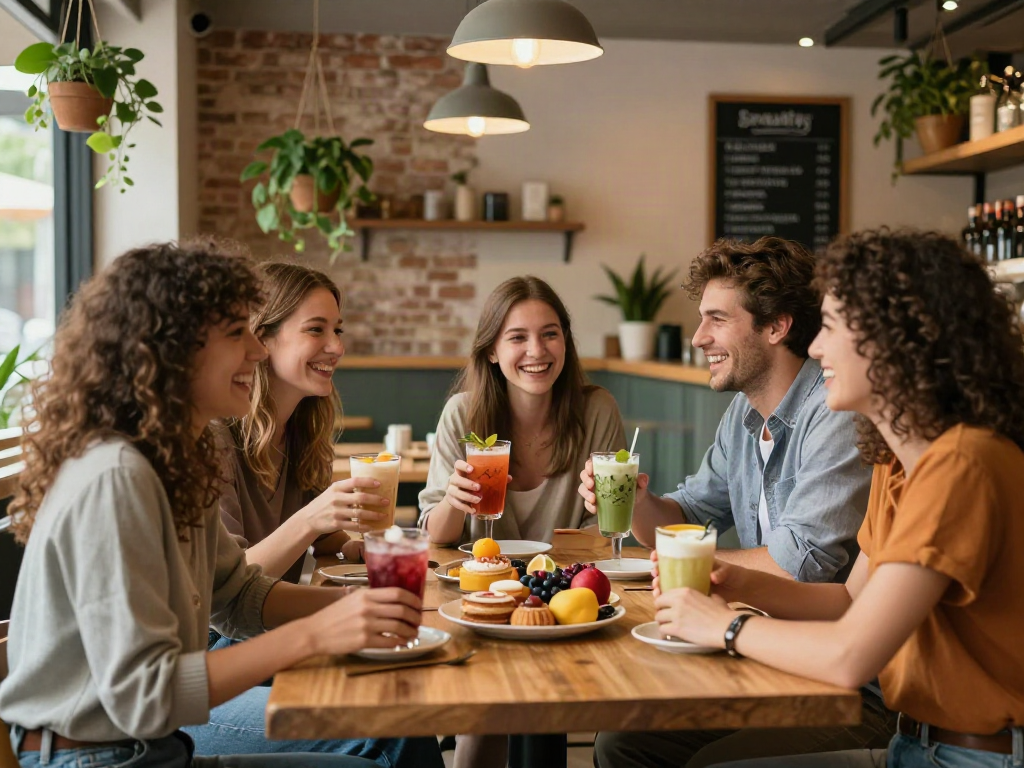
Research consistently shows that social interaction is vital for maintaining mental health. Engaging with others provides a sense of belonging and purpose, which are essential components of wellness. Communities that foster positive relationships can help individuals navigate stress and adversity, making social connections a cornerstone of mental well-being.
Building Supportive Connections for Well-Being
To enhance wellness, it is crucial to cultivate supportive connections. This can be achieved through:
- Community Engagement: Participating in local events and organizations can establish strong ties within communities.
- Shared Activities: Group activities, such as exercise classes or book clubs, can provide opportunities for socializing while pursuing wellness goals.
- Online Support Groups: In the digital age, virtual communities can offer support and encouragement, especially for those who may feel isolated.
Examples of Wellness Communities in Action
Various wellness communities around the world demonstrate the power of collective support. From grassroots organizations promoting local health initiatives to online forums that connect like-minded individuals, these examples showcase how community-driven efforts can enhance individual wellness.
Practical Wellness Strategies to Implement Today
Implementing effective wellness strategies can significantly impact one's quality of life. Below are practical tips that individuals can incorporate into their daily routines.
Daily Habits for a Healthier Mind and Body
Establishing healthy habits is essential for long-term wellness. Consider the following daily practices:
- Regular Exercise: Aim for at least 30 minutes of moderate physical activity daily to boost both physical and mental health.
- Balanced Nutrition: Prioritize a diet rich in fruits, vegetables, whole grains, and lean proteins to fuel your body and mind.
- Mindfulness Practices: Incorporate mindfulness techniques such as deep breathing or meditation into your daily routine to enhance mental clarity.
Creating a Wellness Routine That Works for You
Developing a personalized wellness routine involves assessing your needs and setting achievable goals. Start by identifying areas for improvement and integrating habits that resonate with you. Flexibility in your routine allows for adjustments based on your lifestyle and preferences.
Measuring Success: How to Track Your Wellness Journey
Tracking your progress is crucial for maintaining motivation. Consider using apps or journals to log your activities and feelings over time. Regularly reviewing your progress can provide insights into what works and what needs adjustment, facilitating continuous improvement on your wellness journey.
Rethinking Wellness Spaces: Design and Environment
The environment in which we live and work profoundly impacts our health and well-being. Rethinking wellness spaces can enhance mental health and promote healthier lifestyle choices.
Importance of Space Design in Enhancing Mental Health
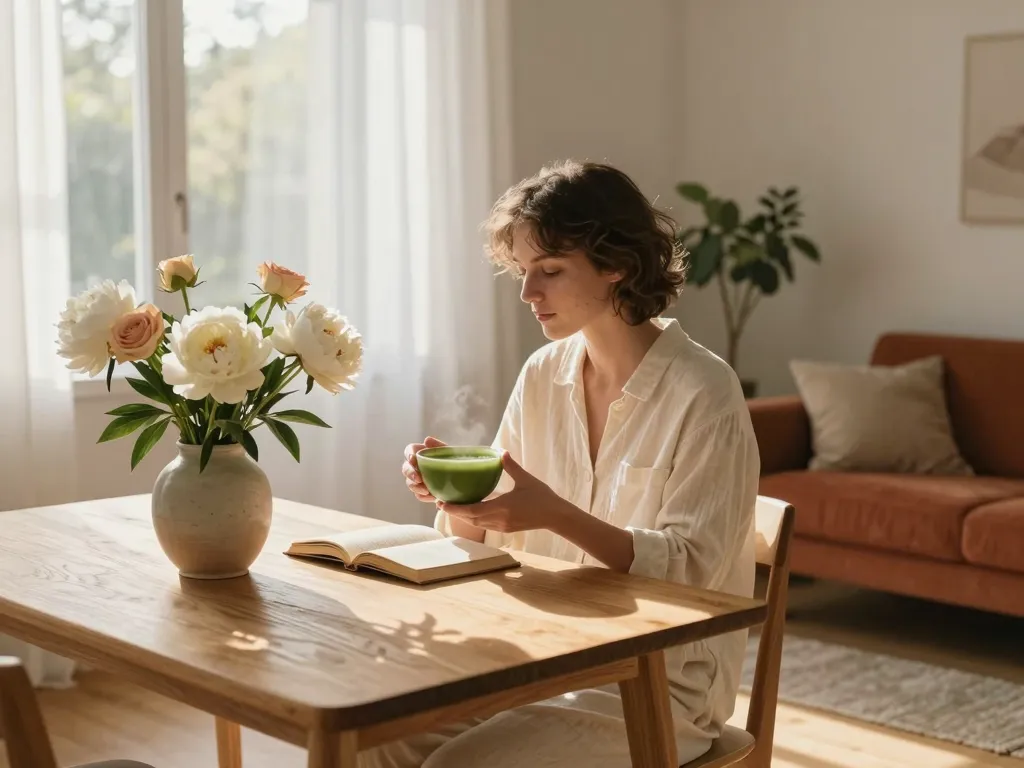
The design of our surroundings plays a significant role in shaping our mental health. Spaces that prioritize natural light, green areas, and open layouts can reduce stress and foster creativity. Thoughtfully designed environments encourage relaxation and social interaction, further contributing to wellness.
Features of an Ideal Wellness Space
When designing a wellness space, consider incorporating the following features:
- Natural Elements: Incorporate plants and natural materials to create a calming atmosphere.
- Flexible Spaces: Design areas that can be easily adapted for various activities, promoting versatility.
- Access to Nature: Ensure that outdoor spaces are easily accessible, encouraging individuals to connect with nature.
Incorporating Nature for Boosting Well-Being
Nature has a remarkable ability to improve well-being. Incorporating biophilic elements, such as indoor gardens or views of natural landscapes, can enhance mood and reduce stress. Engaging with nature, whether through gardening or simply spending time outside, can provide significant mental health benefits.
Future Trends in Wellness: What’s Next?
As we look towards the future, the landscape of wellness continues to evolve. Staying informed about emerging trends can help individuals adapt their practices to align with the latest innovations in the field.
Innovations Shaping the Future of Health and Wellness
The wellness industry is witnessing rapid growth, with innovations that promise to redefine health practices:
- Wearable Health Technology: Devices that monitor health metrics are becoming increasingly sophisticated, providing real-time data that can inform personal wellness strategies.
- Telehealth Services: Remote healthcare services are expanding access to medical professionals, allowing for a more proactive approach to health management.
- Personalized Nutrition: Advances in genomics and microbiome research are paving the way for nutrition plans tailored to individual genetic profiles.
The Role of Technology in Personal Wellness
Technology continues to revolutionize how we approach wellness. From fitness apps to online therapy platforms, technological advances provide tools that empower individuals to take charge of their health. Understanding how to utilize these resources effectively can lead to significant improvements in wellness outcomes.
Predictions for the Next Decade in Wellness Practices
Looking ahead to the next decade, it is expected that wellness practices will continue to integrate technology, personalized approaches, and community engagement. Anticipating these changes can help individuals prepare for a future where wellness is not only a personal goal but a collective responsibility.
What are the Best Ways to Enhance My Wellness Journey?
To enhance your wellness journey, focus on building a supportive network, setting achievable goals, and regularly assessing your progress. Integrate small, sustainable changes that align with your lifestyle and preferences.
How Does Community Support Benefit Individual Wellness?
Community support plays a vital role in personal wellness. It provides accountability, encouragement, and resources that can help individuals stay motivated and engaged in their wellness journeys.
What Innovations Should I Look for in Wellness Products?
When evaluating wellness products, consider innovations that prioritize personalization, sustainability, and effectiveness. Look for products that utilize advanced technology to enhance health outcomes and provide tangible benefits.
How Can I Create a Personalized Wellness Routine?
Creating a personalized wellness routine involves understanding your unique needs and preferences. Start by assessing your current habits and identifying areas where you can improve. Incorporate activities that resonate with you, and make adjustments as needed to create a routine that works for your lifestyle.
What Are Effective Ways to Measure Wellness Progress?
Measuring wellness progress can be achieved through tracking key indicators, such as mood, energy levels, and physical activity. Utilize journals, apps, or wearable technology to log your experiences and reflect on your growth over time.